
Einstein allegedly once said that compounding was the eighth wonder of the world. Whilst it is doubtful he ever actually said it nonetheless it is entirely plausible. Why is this?
When it comes to investing, one of the most powerful concepts to understand is the power of compounding returns. Compounding allows you to earn returns not just on your initial investment, but on the returns you’ve earned over time.
In this blog, we’ll explore the power of compounding investment returns and how it can help you grow your wealth over the long term.
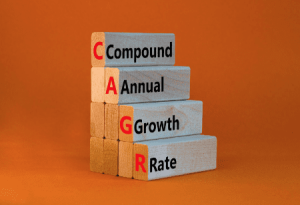
What is compounding?
Compounding is the process of reinvesting your investment returns to earn additional returns over time. It’s a simple concept, but it can have a significant impact on your investment portfolio.
For example, let’s say you invest £10,000 and earn a 10% return in the first year. Your investment would be worth £11,000 at the end of the year. If you reinvested the £1,000 in returns and earned another 10% return in the second year, your investment would be worth £12,100 at the end of the second year. This is because you earned a return not just on your initial investment, but on the returns you earned in the first year.
Over time, the power of compounding can have a significant impact on your investment portfolio.
The benefits of compounding
There are several benefits to compounding investment returns, including:
- It allows you to earn returns on returns
One of the most significant benefits of compounding is that it allows you to earn returns on your returns. Over time, this can help your investment portfolio grow significantly.
- It can help you reach your financial goals faster
By reinvesting your investment returns, you can accelerate the growth of your investment portfolio. This can help you reach your financial goals faster, whether that’s saving for retirement, buying a home or paying for your children’s education.
- It can help you weather market downturns
When you’re investing for the long term, there will inevitably be market downturns. However, by reinvesting your investment returns, you can help mitigate the impact of these downturns. Over time, the power of compounding can help you recover from market downturns and continue to grow your investment portfolio.

How to take advantage of compounding
To take advantage of the power of compounding investment returns, there are a few key steps you can take:
- Start investing early
The earlier you start investing, the more time your investments have to grow. Even small amounts invested early on can have a significant impact on your investment portfolio over time.
- Reinvest your investment returns
Rather than taking your investment returns as cash, reinvest them to earn additional returns over time. This can help accelerate the growth of your investment portfolio and take advantage of the power of compounding.
- Stay invested for the long term
Compounding works best when you’re investing for the long term. By staying invested and weathering market downturns, you can take advantage of the power of compounding to grow your investment portfolio over time.

- Consider tax-efficient investment options
Tax-efficient investment options, such as ISAs and pensions, can help you maximise the benefits of compounding by reducing the impact of taxes on your investment returns.
In conclusion, the power of compounding investment returns can have a significant impact on your investment portfolio over the long term. By starting early, reinvesting your investment returns, staying invested for the long term and considering tax-efficient investment options, you can take advantage of the power of compounding. You know it makes sense.*
Anthony Byrne, Managing Director
The Fund is authorised in the United Kingdom and regulated by the Financial Conduct Authority (FCA) Firm Reference Number: 754570.
If you’re interested in learning more about this topic, check out the resource below:
More information about the fund can be found here Hargreaves Lansdown or AJ Bell.
* Risk warning
The value of investments can fall as well as rise. You may not get back what you invest. The information contained within this article is for guidance only and does not constitute advice which should be sought before taking any action or inaction. All information is based on our current understanding of taxation, legislation, regulations and case law in the current tax year. Any levels and bases of relief from taxation are subject to change. Tax treatment is based on individual circumstances and may be subject to change in the future. This blog is based on my own observations and opinions.


